



Application control is a core part of Essential Eight Maturity Level 1. Use this guide to understand what you need...

Connect to the internet with NBN and fibre optic plans for both SMBs and enterprise organisations.


22+
years in business
200+
clients
15+
professionals

My internet is too slow.

I’m worried about my firewall’s security.

I need better performance for specific applications.
Ideal for most small businesses with standard computing needs.
Designed for mid-sized businesses in metropolitan locations.
Designed for mid-sized businesses in regional locations.
Fibre is faster than any other internet technology. Skip the NBN’s mixed tech for consistent, high-performance networking.
Safeguard your network with a next-generation firewall – continuous protection that blocks attackers and accelerates important traffic.
Even networks with 99.99% uptime drop out occasionally. Get back online as quickly as possible with both remote and on-site tech support.
Helping Queensland brands stay connected
since 2003.
vs.
Recommended
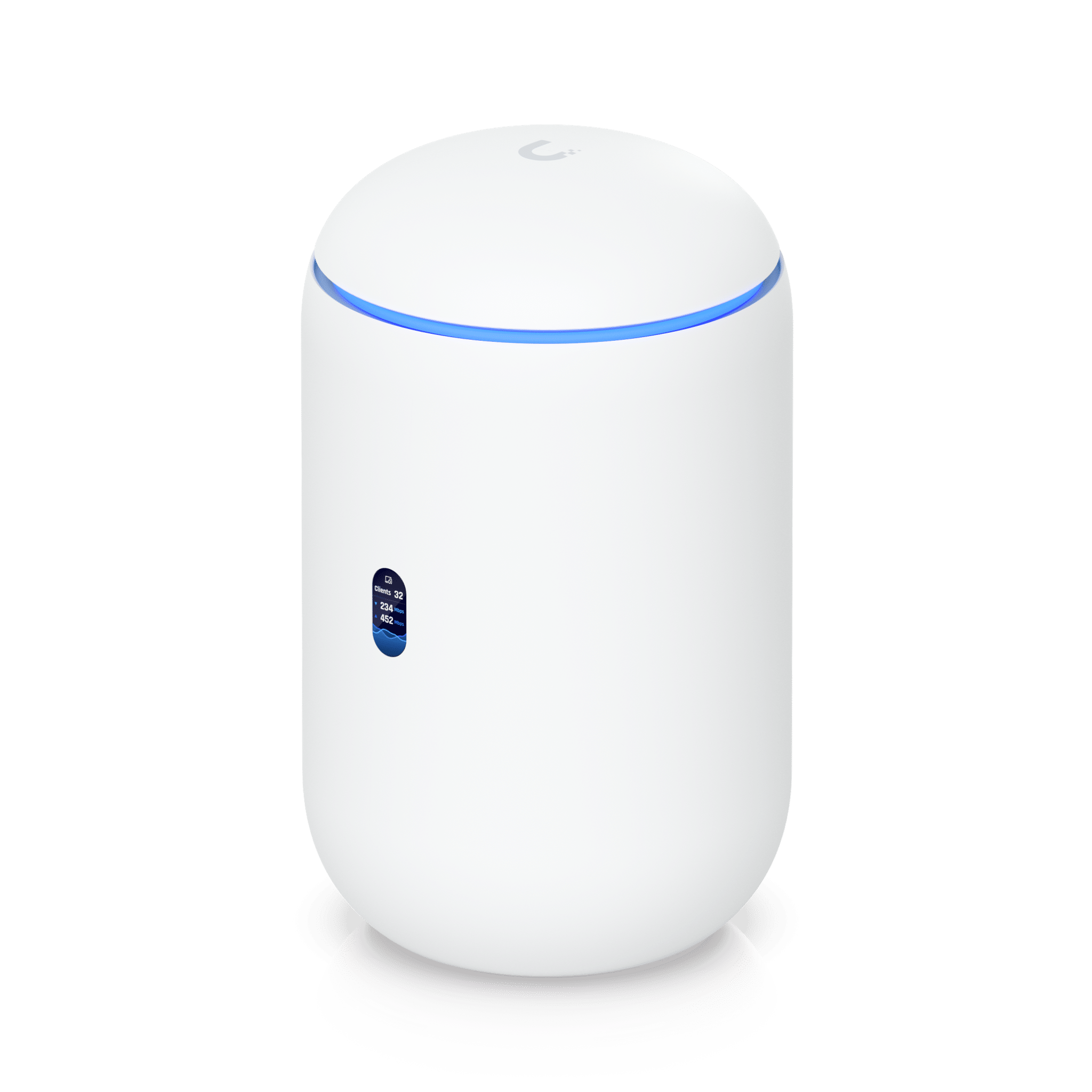
To connect multiple devices to the internet, you need a router – a physical device that manages incoming and outgoing traffic.
But all routers aren’t built equal.
The best options include built-in firewalls, network segmentation, and dynamic routing (which helps prioritise certain types of traffic).
We’ll help you select and deploy the right hardware solutions for your internet connection – regardless of whether you’re using NBN or fibre.
Get in touch with us to request a quote for on-site installation.
A typical business internet plan has asymmetrical speeds – upload and download speeds that are different (like 50 Mbps upload and 20 Mbps download).
For very small businesses that mostly browse the internet, that asymmetry doesn’t matter. If your staff use cloud services or make video calls, though, significantly lower download speeds can cause performance bottlenecks.
NBN enterprise ethernet delivers symmetrical speeds – and is, overall, much faster than business internet, even at a low class of service. If you rely on the internet to operate, it’s generally a good idea to think about upgrading to a plan with even upload and download speeds.
Best-effort bandwidth (also known as low class of service or LCoS) means that your bandwidth – which determines internet speed – isn’t guaranteed. If another business on the same network was downloading a lot of large files, for example, your internet might be slower. It’s a bit like using a public roadway; if there’s traffic, you’ll need to slow down.
Committed bandwidth (also known as high class of service or HCoS) means that your provider guarantees you a specific amount of bandwidth at all times. No matter what other users are doing, you’ll always receive the full megabits per second that you pay for. Think of it like having your own private lane that no-one else can use.
Fixed wireless connects you to the internet by passing a broadband radio signal from a local fixed wireless tower to an antenna on your building’s roof. It’s a good option if you aren’t eligible for fibre optic cable.
Until the last few years, fixed wireless was relatively slow, making it unsuitable for most businesses. In 2022, though, nbn® began upgrading its fixed wireless network. That enabled it to offer a higher speed tier to customers (Fixed Wireless Plus). Today, Fixed Wireless Plus can deliver download speeds of up to 100 megabits per second and upload speeds of up to 20 megabits per second, putting it on par with other business NBN plans.
Find out how concepts like contention ratios can affect your internet speed – and your business’s productivity.